
Lastest from CREWS@COP31
Day 1: Read the update

CREWS’ position at COP31 is aligned with the Presidency’s overarching objective, which is to deliver an “Implementation COP”: moving from climate commitments to concrete, measurable results on the ground.
CREWS translates the Paris Agreement commitments on early warning into measurable results; improves access to climate funding for early warning through its GCF/CREWS Scaling-up Framework; and has a proven track record of improving resilience to climate impacts for the most vulnerable countries and regions.
Three Key Messages and Related COP Agendas
1. Re-affirming political commitment to early warning systems
COP31 provides a milestone to reiterate the collective commitment to achieving universal access to effective, people-centred, multi-hazard early warning systems beyond 2027, with a particular focus on countries and communities most exposed to climate and disaster risks.
- Making the Belém Adaptation Indicators operational and clarifying how progress will be assessed (Adaptation and resilience)
- Improving access to adaptation finance, technology and implementation capacity (Climate finance)
2. Accelerating action towards 100% early warning coverage for the most vulnerable countries
CREWS will use COP31 as a platform to highlight concrete results and country experiences demonstrating how CREWS, through targeted investments in early warning systems, save lives, strengthen resilience, pushes innovation and unlocks broader climate and development finance.
- Addressing the specific capacity needs of Least Developed Countries (LDCs) and Small Island Developing States (SIDS) (Technology, capacity-building and transparency)
- Addressing adaptation finance and the operation of multilateral climate funds (Climate finance)
3. Connecting warnings to inclusive early and anticipatory action
Advancing country owned, people-centered, gender-responsive and multi-hazard systems that connect risk infrmation with anticipatory action and pre-arranged financing. This includes prioritizing people facing disproportionat riska nd recognizing regional leadership and locally led solutions.
- Advancing implementation of National Adaptation Plans (Adaptation and resilience)
- Addressing access, operational arrangements and the relationship between loss and damage, adaptation and humanitarian response (Loss and damage)
@COP31 CREWS will:
–> Invite country and regional partners to showcase CREWS impact and success stories.
–> Announce:
- New and/or increased contributions to the CREWS Trust Fund, towards its 2030 target of providing essential early warning services for all LDCs and SIDS.
- A new cooperation framework with a technology industry leader integrating emerging technologies into CREWS operations.
- Recent financing decisions by the CREWS Steering Committee, including financing for 5 Caribbean countries to establish cell-broadcast technology by 2029 with the World Bank and ITU.
–> Convene with the main climate funds (GCF, GEF, AF, CIFs, FRLD) around a common commitment to deliver early warnings coherently, sustainably and at scale.
You are invited to CREWS organized events and reception @COP31
| Event | Date & Time | Location |
| Financing Weather, Climate and Water Intelligence and Early Warning | Monday, 9 November 2026 17:30–19:00 | Luxembourg 🇱🇺Pavilion |
| Reception hosted by REAP and CREWS | Wednesday, 11 November 2026 18:00–20:00 | Finland 🇫🇮 Pavilion |
| Financing the Future of Early Warnings: Mobilizing Innovation and Investment for Climate Resilience in LDCs and SIDS | Friday, 13 November 2026 13:00–13:45 | Canada 🇨🇦 Pavilion |
| Early Warnings: Saving Lives from Climate and Hydrometeorological Risks | Wednesday, 18 November 2026 9:30–11:00 | France 🇫🇷 Pavilion |
| Gender-responsive early warning and early action for climate resilience | Wednesday, 18 November 2026 13:00–14:00 | Finland 🇫🇮 Pavilion |
Early warning related events with CREWS contribution
For a comprehensive list, please go to REAP’s list of EWEA events at COP31.

| Event | Date & Time | Location |
| Capacity-building Accelerator: From Risk to Readiness – Strengthening Early Warning and Preparedness Capacities | Tuesday, 10 November 2026 09:00–10:00 | Special Event Room 5 (SPE 5) |
| From Pledges to Implementation (UNECA) | Tuesday, 10 November 2026 13:30–15:00 | Africa Pavilion |
| Reading the Climate Signal: El Niño, Extreme Events and the Science Behind the Headline (UNFCCC side event) | Tuesday, 10 November 2026 18:30–20:00 | Side Event Room 3 – ZERZEVAN |
| UN Secretary-General’s Leaders Segment on Early warning (by invitation only) Early Warnings for All: Delivering on Our Promise to Protect Everyone | Wednesday, 11 November 2026 15:30–17:00 | Antalya Expo Center (TBC) |
| High-level event on Accelerating Early Warnings in Africa (African Union, UNDRR) | Thursday, 12 November 2026 | Africa Pavilion |
| Africa Youth for Early Warnings: From Youth Voices to Early Action | Saturday, 14 November 2026 09:30–11:00 | Morocco 🇲🇦 Pavilion |
| From Inclusion to Influence: An Intergenerational Climate Leadership Consultation for 2030 | Saturday, 14 November 2026 15:15–16:15 | SDG Pavilion |
| Achieving Early Warnings For Everyone, Everywhere – Pathways to Action High-level/COP Presidency event: EW4All/EWS (UNDRR, WMO, ITU and IFRC) | Tuesday, 17 November 2026 17:00–18:00 | Special event room 5 |
Who to look out for at COP31
- Francis Pigeon, CREWS Chair and Executive Director, Policy and Partnerships, Meteorological Service of Canada, Environment and Climate Change Canada, Government of Canada
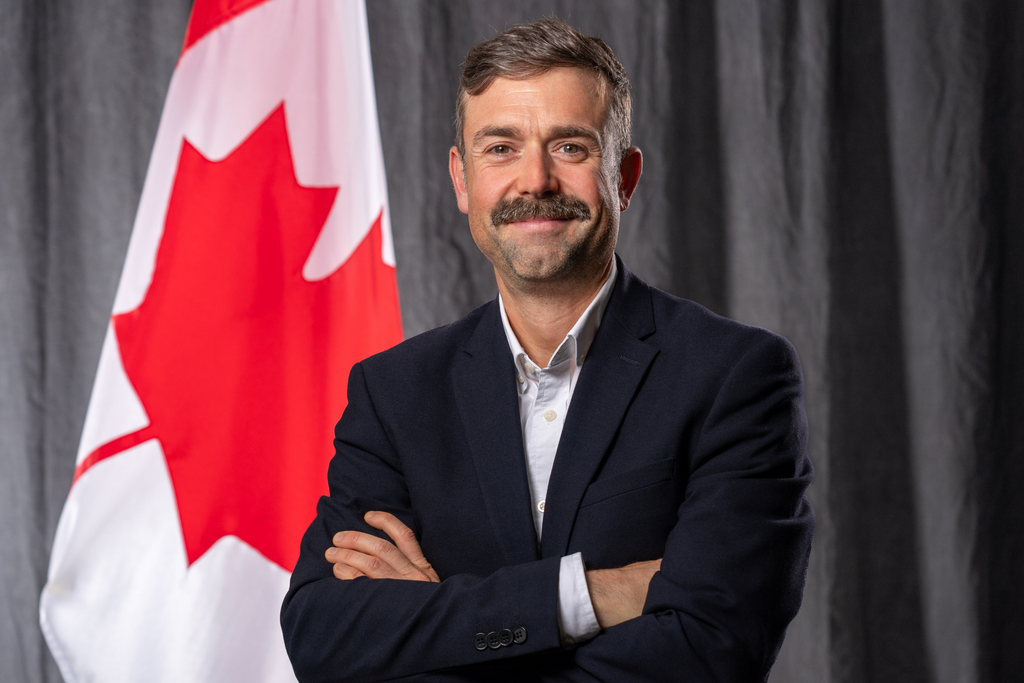
CREWS Strategy 2030 embodies what global solidarity can achieve. By working hand in hand, we turn data into decisions, warnings into action, and risks into resilience. In partnership under one purpose, we protect lives, livelihoods, and we build a climate-resilient future for all.
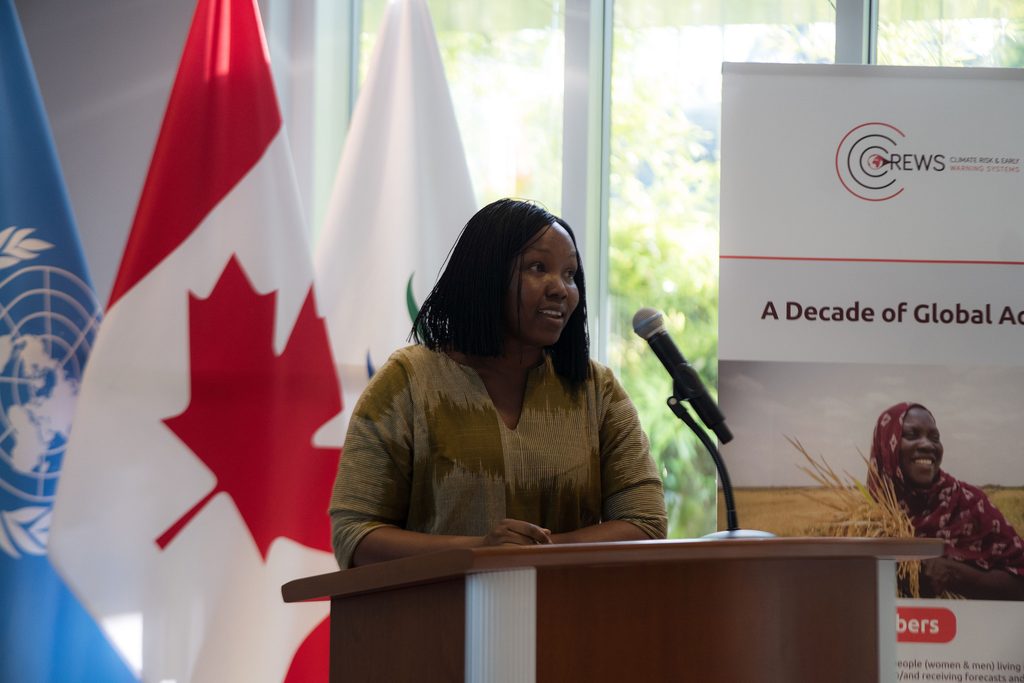
- Dr Mariam Tidiga, Permanent Representative of Burkina Faso with WMO and Director-General of the Agence Nationale de la Météorologie (ANAM)
For Burkina Faso, CREWS was like a booster. We have established collaborations with other institutions, such as GCF, NORCAP and ACMAD, all contributing to better forecasts in Burkina Faso. But CREWS was the catalyst for all these partnerships.
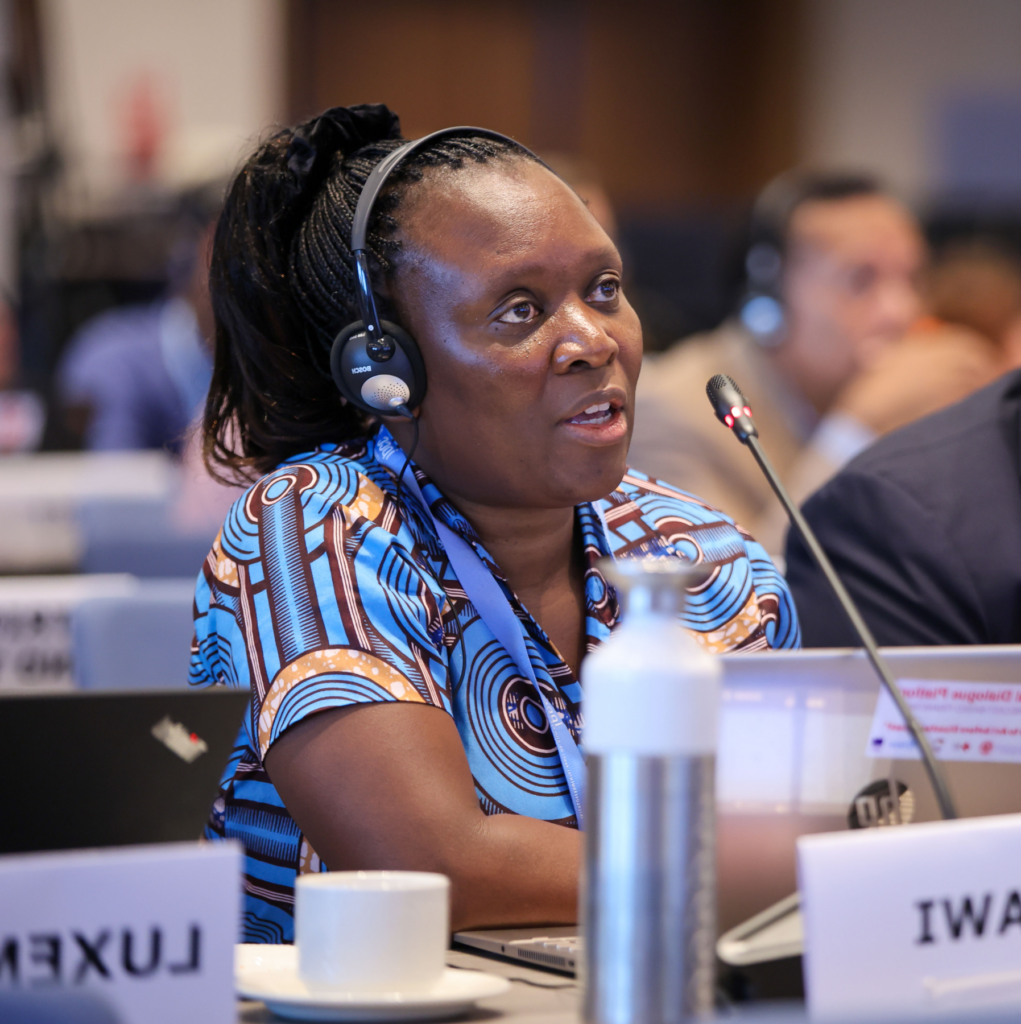
- Dr Ousmane Ndiaye, Director General of the African Center of Meteorological Applications for Development (ACMAD)

CREWS is a concrete response to challenges posed by extreme event due to climate change. Specially for vulnerable African communities, with limited coping resources, our best adaptation strategy is to stregthen resilience capacities. We definitely want to capitalize on the ongoing CREWS programmes in Africa. We hope in coming years to start scaling up results in whole Africa toward achieving objectives of African agenda 2063 – the Africa we want.
- Dr Lucy Mtilatila, Permanent Representative of Malawi with WMO and Director of the Department of Climate Change and Meteorological Services (DCCMS)
The integration of Artificial Intelligence in weather forecasting promises to transform Malawi’s capacity for early warning and community resilience, far outperforming traditional methods through its accuracy, speed, and data analytics.
- Ofa Fa’anunu, Manager, Weather Ready Pacific Programme, SPREP
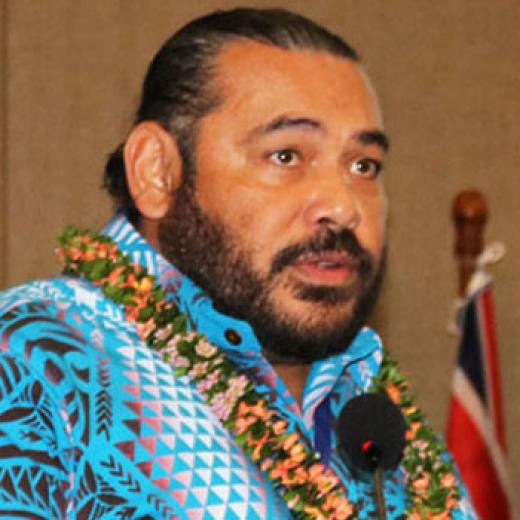
Our direction through Weather Ready Pacific is unequivocal: every investment must be inclusive by design, nationally owned, regionally coordinated, and financially and technically sustainable. Early Warnings for All must mean — warnings that reach everyone, systems that work when they are needed most, and capabilities that our Pacific countries can sustain for generations.
We are investing to build lasting national capability, resilience, and independence. Anything less is not a solution for the Pacific.
- Catalina Jaime, Head of the Risk‑Informed Early Action Partnership (REAP) Secretariat
As climate risks continue to intensify, no single initiative can deliver resilience alone. The alliance between REAP and CREWS demonstrates the power of collective action around a common goal: ensuring everyone is protected by effective early warning systems and risk-informed action. COP31 is a vital policy space to strengthen this collaboration and advance our shared 2030 vision.

Please contact the Secretariat to set-up bilateral meetings in the margins of the COP:
- John Harding, Director of the CREWS Secretariat
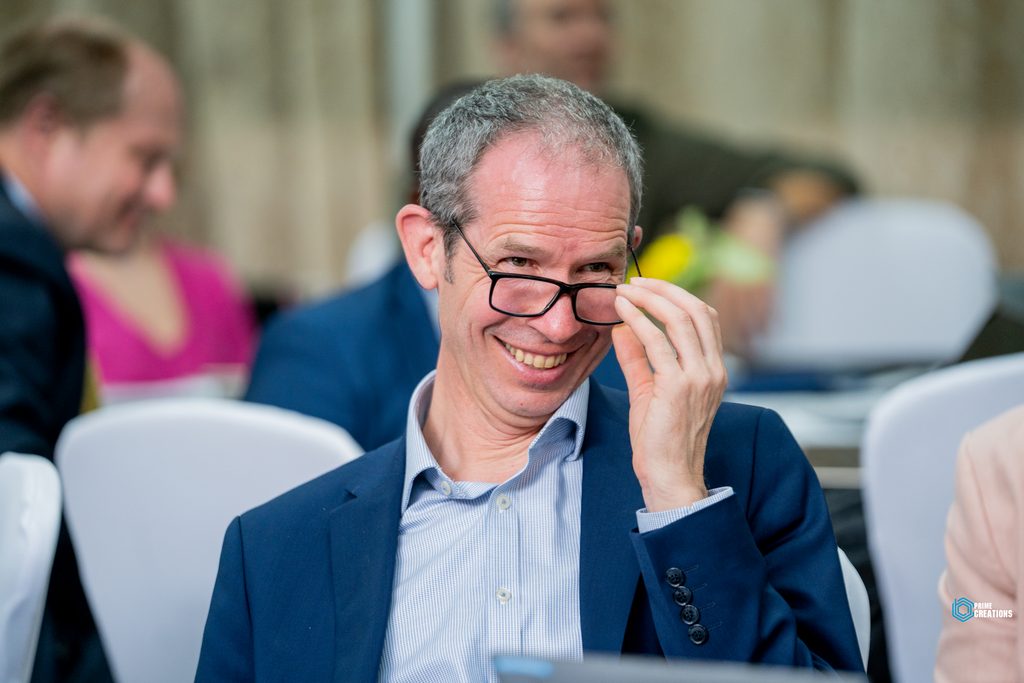
Early warning is a concrete investment in climate resilience, helping countries turn commitments into action that saves lives and protects livelihoods. At COP31, we must scale what works, make financing more accessible and strengthen national capacity so that every warning reaches those at risk and enables timely action.
Contact:
- Maria Lourdes Kathleen (Elkaye) Macasil, Senior Programme Officer: mlkmacasil@wmo.int
- Rhodaline Tetteh-Narh, Assistant Resource Mobilization and Innovation Officer: rtettehnarh@wmo.int
Our Partners
Please click on the logos to access their COP31 webpages.





Live coverage
You can follow CREWS@COP31 on LinkedIn and on this webpage.