CREWS is an example of what multilateralism should be about. It is a multilateralism of solidarity, which is reactive, and very much grasping the challenges of our time.
Jean Yves Le Drian, Former Minister for Europe and Foreign Affairs, France
The Steering Committee is the decision-making body of the CREWS Initiative.
Governance: defines and amends governance rules and responsibilities of the CREWS Initiative
Vision: sets strategy, approves policies, and ensures operations are aligned with purpose and objectives
Leadership: decides on priority investments, allocates funding, gives the green light for project launch or extension
Accountability: monitors operational progress, reviews financial reports, approves the Secretariat’s annual budget
The Steering Committee is composed of donor Member States as decision-makers. The Chair of the Alliance of Small Island States (AOSIS) and the Chair of Least Developed Countries (LDCs) Group under UNFCCC are also members.
The CREWS Secretariat, the Trustee of the Trust Fund and Implementing Partners contribute as non-decision-making participants.
The Chair of the Committee can also invite countries thinking of contributing to the CREWS Initiative, organizations, or specialists to attend meetings as non-decision-making observers.
Members are represented by nationally appointed government officials. They serves as the Chair of the Committee on a rotational basis.
12 contributing countries are Members of the CREWS Initiative.
France, the founding Member, launched CREWS at the UN Climate Change Conference (COP21) in Paris in 2015. Since then, a growing membership and sustained financial support have seen our operational investments expand – geographically and in scope – year-on-year. Members have decision-making powers through the Steering Committee. They are represented by government nominees.

Senior Policy Expert, Climate Change
Federal Ministry of Agriculture and Forestry,
Climate, Environmental Protection, Regions and Water Management

In December 2022, Francis was appointed as the Executive Director for Policy and Partnerships with Environment and Climate Change Canada’s (ECCC) Meteorological Service of Canada (MSC) where he plays a key role in helping to advance the MSC’s objectives and priorities through engaging with a various set of internal and external partners, both within the Government of Canada and internationally. He sits on the Steering Committees of both the Climate Risk Early Warning Systems initiative and the Systematic Observation Financing Facility.
Prior to that, as the Director, Climate Finance he oversaw the delivering of Canada’s $2.65 and $5.3 billion climate finance commitments. He directed finance negotiations and policy, including the first Climate Finance Delivery Plan, and represented Canada in strategic international partnerships such as the Powering Past Coal Alliance and the Climate and Clean Air Coalition. At COP27 in Egypt, he delivered Canada’s first ever national pavilion at a UN Climate Change Conference.
Prior to joining ECCC, Francis led on the alignment of International Assistance Envelope resources with foreign and international assistance priorities at Global Affairs Canada for close to a decade. He holds a Masters in International Relations and a Baccalaureate in Political Sciences and International Development.


Senior Adviser, Development Policy
Environment and Climate

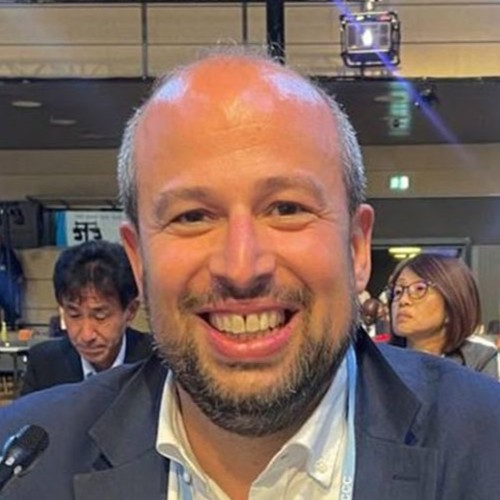
Ambassador in charge of climate change negotiations, carbon-free energy, and climate risk prevention, France

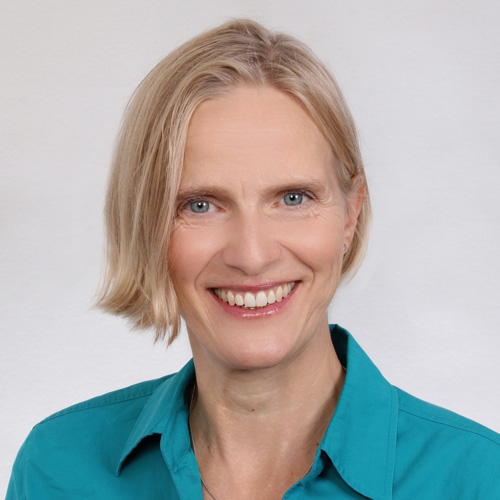


Junior Officer at the MOFAC of Monaco

Policy director, Section for Nature and Climate, Norad – Norwegian Agency for Development Cooperation


Head of Adaptation, Nature and Resilience Department, FCDO

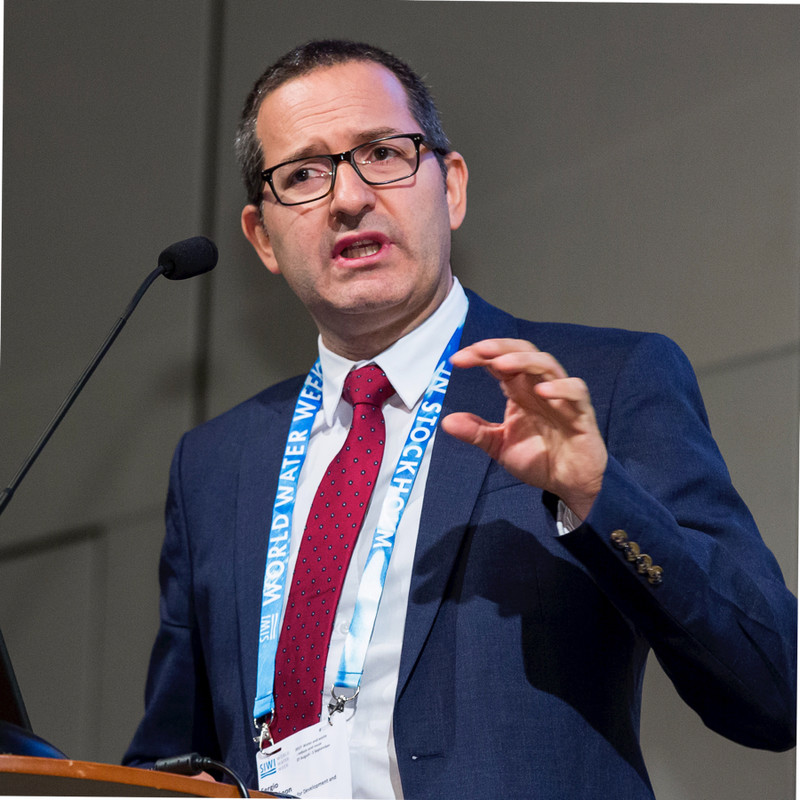
Programme Officer, Climate, DRR and Environment Section
Swiss Agency for Development and Cooperation SDC
Federal Department of Foreign Affairs FDFA


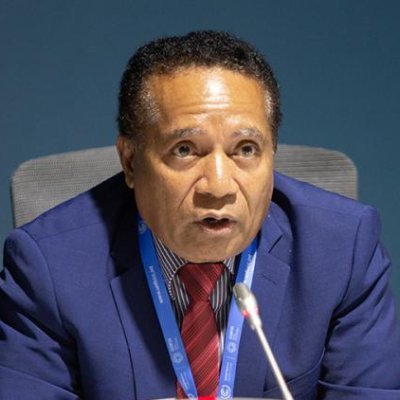
(Timor-Leste)