
On 26 March 2026, CREWS convened its Operational Coordination Group (OCG) to discuss how can emerging technology and innovation be integrated into a new CREWS workstream to strengthen early warnings and climate services as part of the CREWS Strategy 2030.
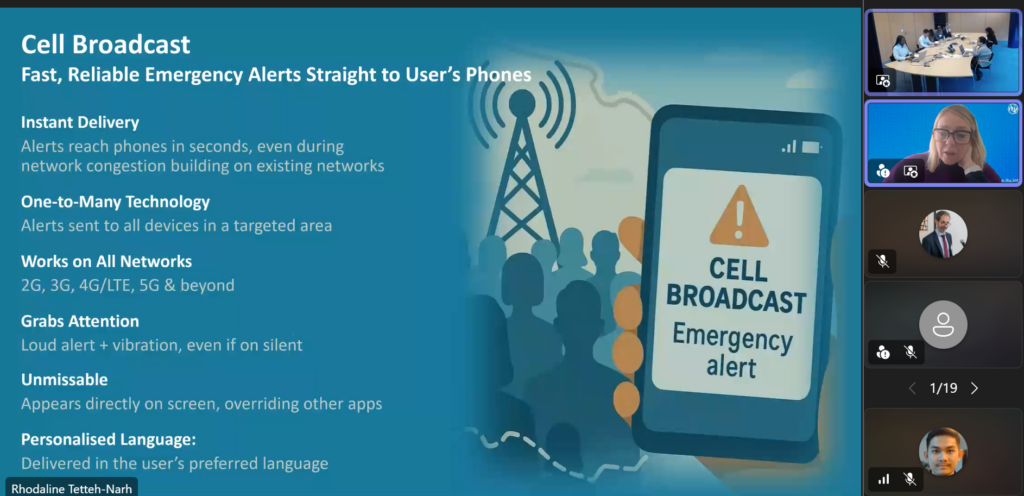
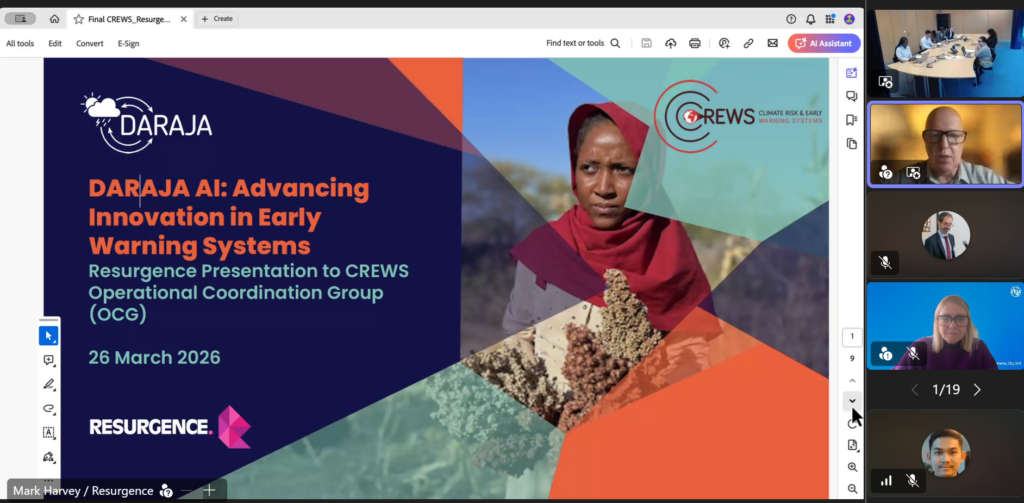
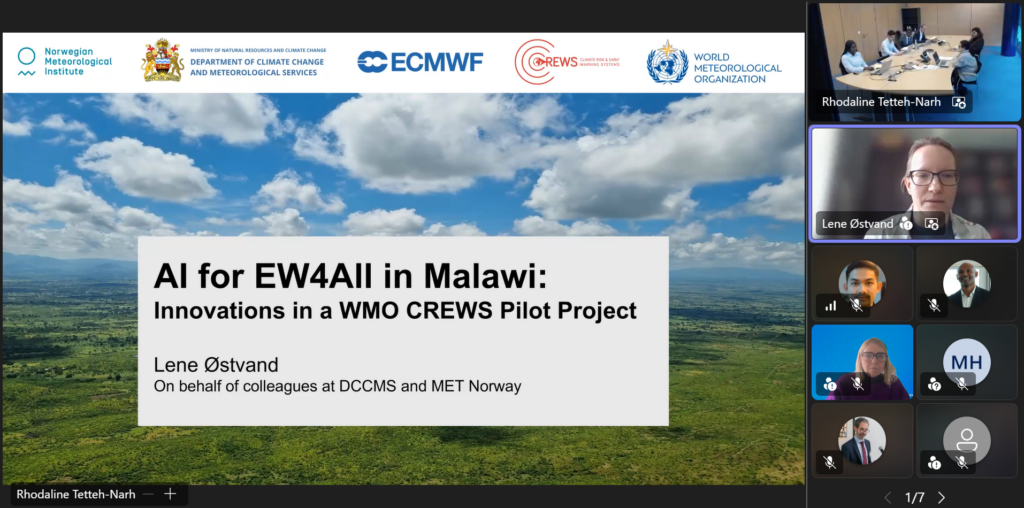
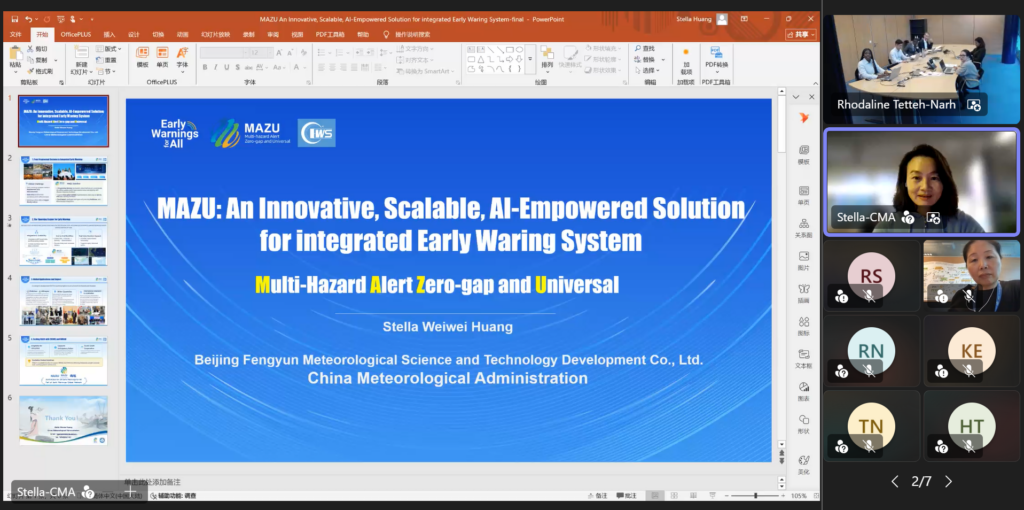
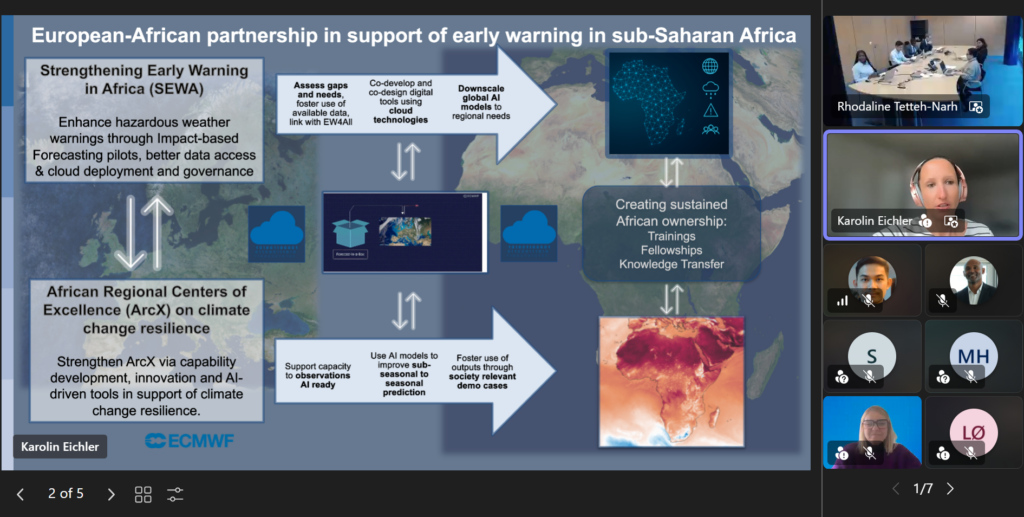
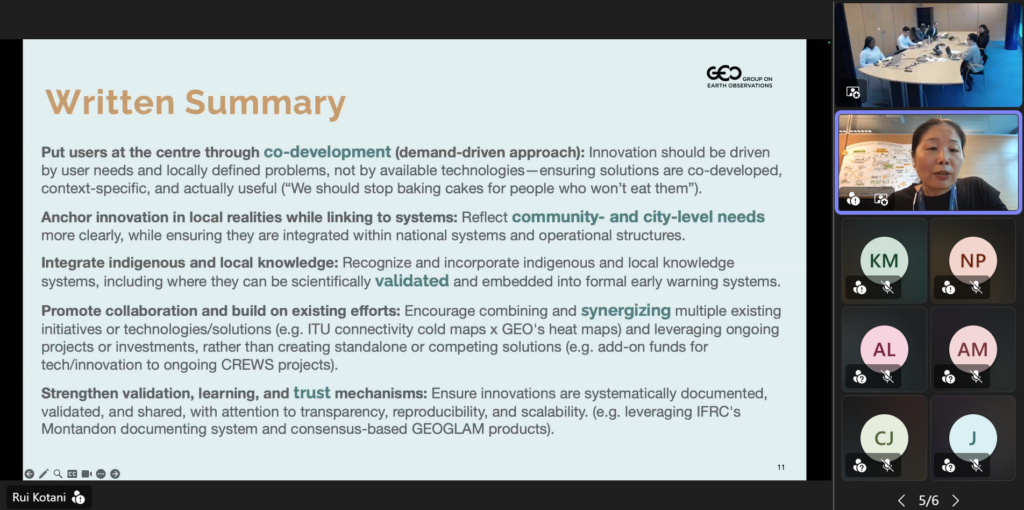
These regular meetings bring together colleagues on the front line of our country operations from our Implementing Partners, meteorological services and regional institutions to share insights and thought-provoking perspectives from their operational practices on innovation and emerging technologies. Examples include AI-enabled tools for forecasting, translation, and early warning delivery, cloud-based forecasting, forecast-in-a-box tool, cell broadcast for warning dissemination, and satellite-based systems for forecasting.
Key highlights:
👉 Keep innovation people-centered, trusted, demand-driven, and adapted to local realities
👉 Build on existing structures, systems, and solutions that are already working
👉 Continue mapping and documenting existing tools to identify what can be strengthened and scaled
👉 Foster collaboration with partners to bring together experience, technologies, and approaches that add value to one another
The discussion marked an important step toward integrating innovation and emerging technologies more strategically into the CREWS workstream and financing pathways.
The importance of ensuring safeguards and ensuring sufficiently robust regulatory frameworks to ensure warnings are provided by authoritative sources, avoiding that AI accentuates equity bias and humans remain accountable. The proposed CREWS workstream will need to respond to countries’ needs and ensure innovation strengthens early warning systems in ways that are practical, inclusive, and scalable.
Thank you to all participants, especially the speakers from the International Telecommunication Union, Resurgence, Norwegian Meteorological Institute, European Centre for Medium-Range Weather Forecasts/SEWA, China Meteorological Administration, and Group on Earth Observations for their useful interventions and feedback on the way forward.